
Happiness Programme pilot launches as part of community-led approach
The team introduces the initiative as part of their commitment to delivering meaningful life and supporting community.
Caring for people means creating the conditions for people to feel connected, understood and able to experience moments of meaning, even as needs change. As part of that commitment, Preston Glades Care Home on Miller Road has launched a pilot of the The Happiness Programme, delivered in partnership with Social-Ability.
The pilot forms part of a wider shift in how life at Preston Glades is shaped and talked about.
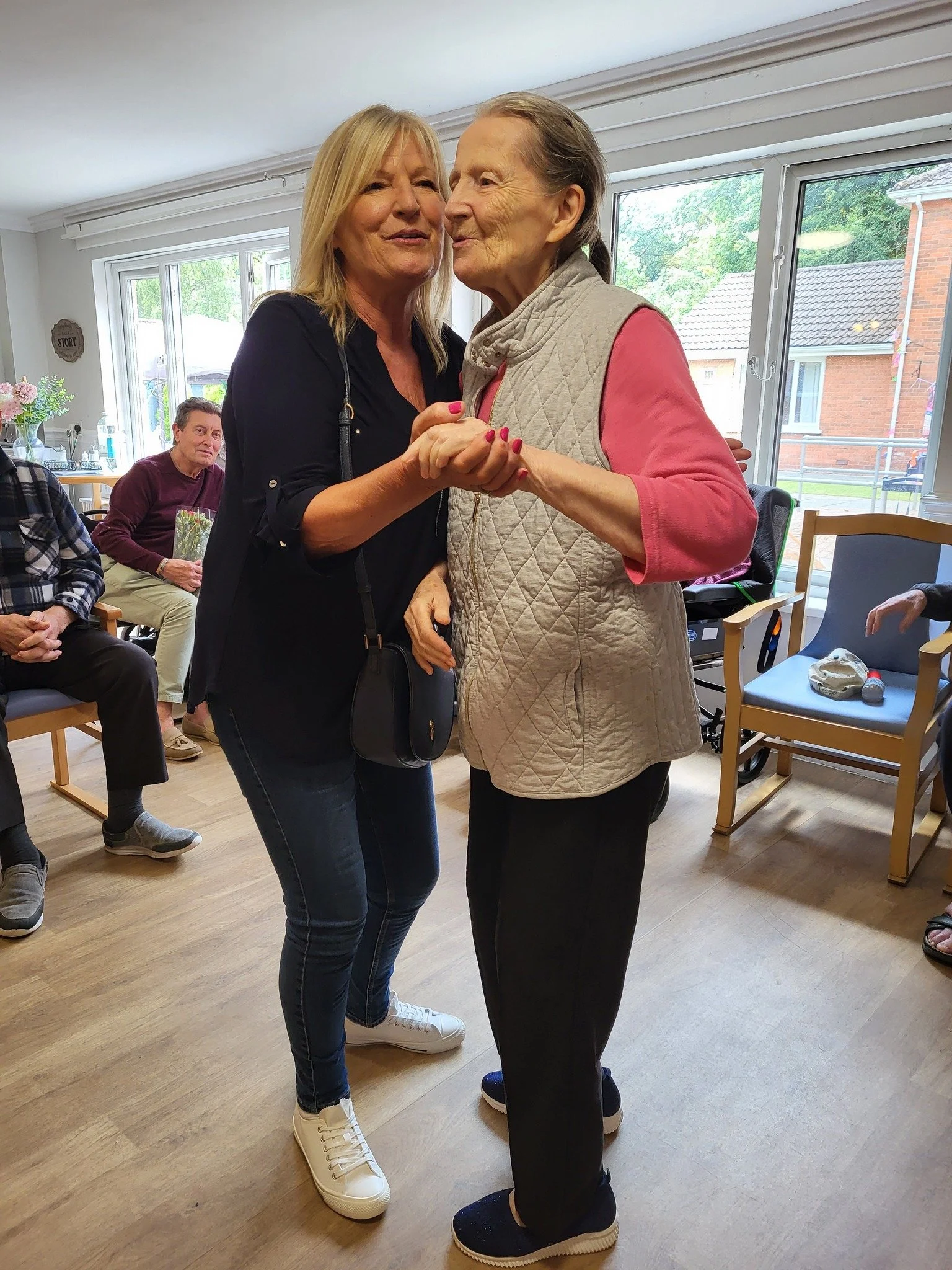
An afternoon of dancing at Preston Glades
Alongside the programme, the home has welcomed new Registered Manager Tracey Yates and introduced a move away from traditional care home units, choosing instead to describe living areas as communities. Together, these changes reflect a clear intention to focus on how life is lived day to day.
The Happiness Programme supports this by offering a different way of understanding wellbeing. The programme helps teams notice how people respond to shared experiences, movement, sound, colour and interaction. Research and best practice in dementia and wellbeing care consistently show that emotional safety, social connection and gentle stimulation play a vital role in how people feel day to day. Engagement that invites curiosity, play and attention can lift our mood, encourage movement and reduce distress, particularly when it feels like a natural part of the day.
At Preston Glades, this approach fits closely with the decision to rename living areas as communities. Language matters because it shapes behaviour. Communities suggest belonging, shared rhythms and familiarity. The Happiness Programme supports that mindset by creating moments where people come together without expectation, whether that is through shared laughter, movement, music or simply being present with others. These moments help reinforce a sense of belonging.
Tracey Yates explains that this alignment is intentional.
“When memory changes, people don’t lose their need for reassurance, purpose or connection. Our role is to notice what helps people feel at ease and build that into everyday life. The Happiness Programme supports our teams to see people’s responses in real time and use that understanding to shape how we care, not just what we do.”
The programme also supports the team by giving them practical, intuitive ways to connect with residents with different abilities. When engagement feels shared rather than led, relationships are strengthened. That relational confidence matters, both for consistency of care and for creating environments where people feel seen.
Research highlights that when teams are supported to engage meaningfully, it can reduce stress, improve communication and create calmer, more responsive settings for everyone.
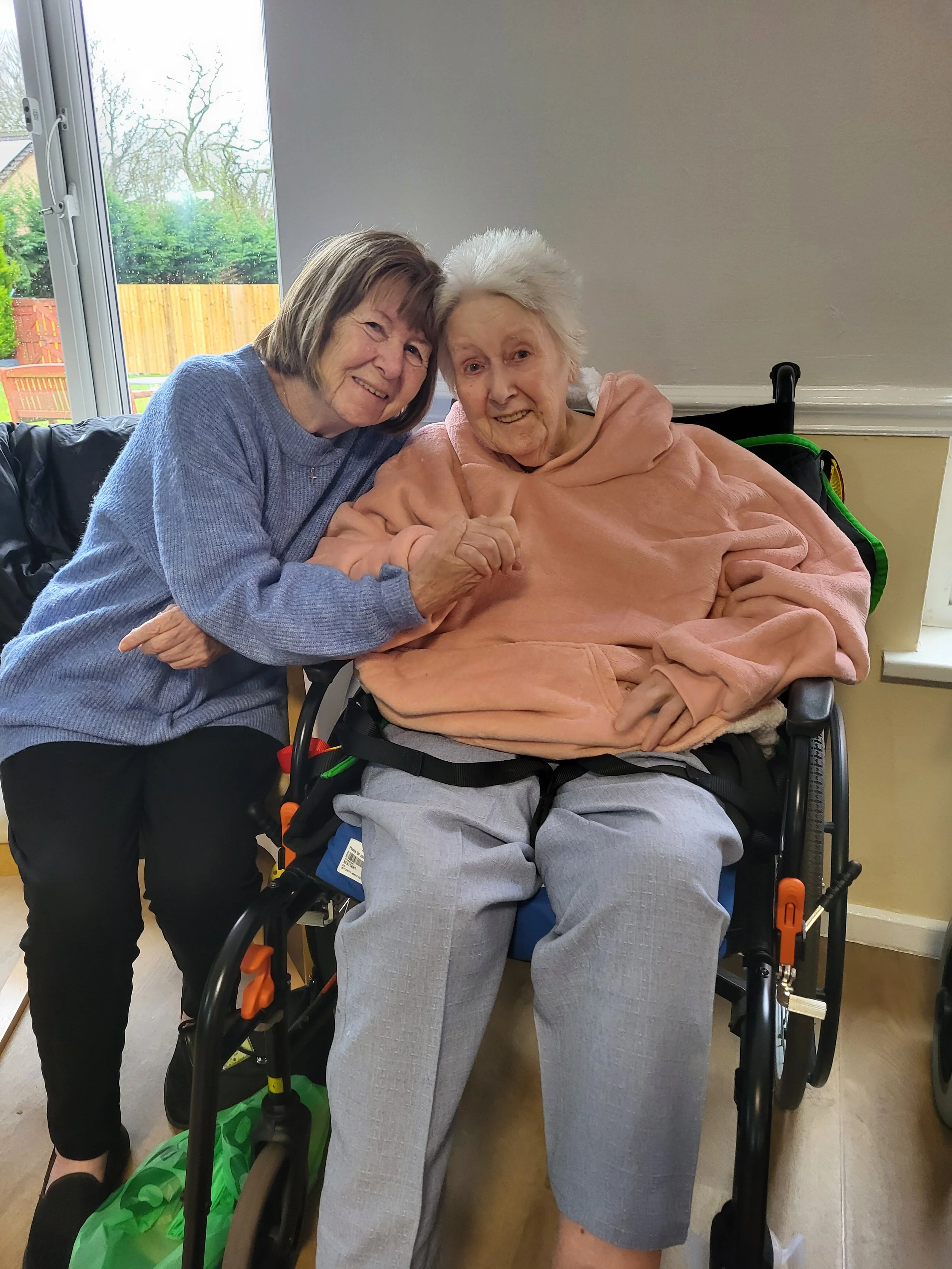
Creating relationships
For families, it’s hoped the changes will create spaces that feel more relaxed and where interactions flow. These are the everyday experiences that contribute to a sense of meaningful life, even when words or memories may be limited.
This pilot reflects how Each Other Care continues to lead through thoughtful practice rather than quick solutions. By testing approaches that prioritise emotional wellbeing, relationships and lived experience, Preston Glades is shaping care around what matters most to those who live and work with us.
Over the coming months, learning from the Happiness Programme pilot will be captured and shared, helping to inform how communities across the group continue to grow.
You can follow the latest events at activities at Preston Glades here.